
Exploring the intersection of casino design and human psychology for optimal engagement
The Psychological Impact of Casino Ambiance
The ambiance of a casino plays a crucial role in shaping the experiences of its patrons. From the lighting to the sound design, every element is meticulously crafted to evoke certain emotions and reactions. Casinos often utilize dim lighting combined with bright, flashy displays to create a vibrant yet cozy atmosphere. This juxtaposition encourages players to feel both relaxed and excited, fostering an environment conducive to prolonged engagement. Interestingly, choosing the right casino can also impact the financial aspects of gaming; for those seeking an exhilarating experience, checking the highest payout online casino can be beneficial.
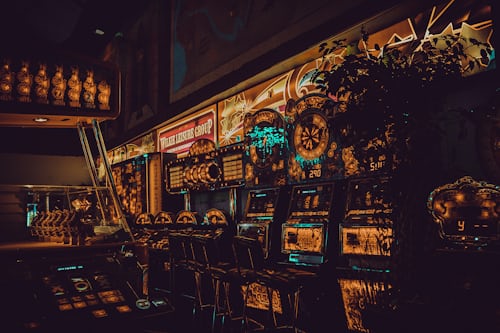
Moreover, the use of sound—such as the jingling of coins or the thrilling music associated with winning—activates the brain’s reward system. This auditory feedback enhances the overall gaming experience, making it more immersive and enjoyable. Understanding how these sensory elements affect human psychology is vital for casino designers aiming to optimize engagement and retain patrons for longer periods.
The Layout and Flow of Casino Spaces
The physical layout of a casino significantly influences player behavior. Open spaces, strategically placed gaming tables, and the flow of foot traffic are all designed with psychological principles in mind. By creating pathways that encourage exploration, casinos can guide patrons through various gaming options, increasing the likelihood of participation and expenditure.
Furthermore, the placement of popular games near entrances or high-traffic areas ensures visibility and accessibility, drawing in new players. A well-designed layout can promote a sense of adventure and discovery, enhancing the overall experience and encouraging guests to spend more time in the establishment.
Color Psychology in Casino Design
Color plays a pivotal role in influencing emotions and behaviors. Casinos often utilize specific color schemes to evoke feelings of excitement and comfort. Warm colors like red and gold can stimulate energy and appetite, making patrons feel more inclined to engage with the games. In contrast, cooler colors like blue and green can create a sense of calm and relaxation, balancing the adrenaline rush associated with gambling.
By understanding the psychological effects of color, designers can create environments that not only attract players but also enhance their emotional responses. The right combination of colors can keep players engaged longer, promoting a more enjoyable experience that encourages return visits.
The Role of Social Interactions in Casinos
Casinos are inherently social environments, and the design often facilitates interactions among patrons. Communal gaming tables and lounges encourage conversations and social bonding, which can heighten the overall enjoyment of the gaming experience. Social interactions can serve as a motivating factor, making the act of gambling more enjoyable and engaging.
Moreover, the presence of staff, such as dealers and hosts, adds to the social fabric of the casino environment. Their interaction with players can influence mood and create a welcoming atmosphere, further enhancing engagement. Understanding the dynamics of social interaction within casinos is essential for designers looking to optimize user experience and retention.

Optimizing Website Experience for Gamblers
In today’s digital age, the online presence of a casino is just as important as its physical design. A well-structured website can enhance user experience by making it easy for potential patrons to navigate and find information. Incorporating engaging visuals and intuitive layouts can capture the attention of visitors, encouraging them to explore gaming options and promotions.
Additionally, providing valuable content such as tips, strategies, and insights into gaming psychology can establish authority and trust. A user-friendly website that reflects the same design principles as a physical casino can help bridge the gap between virtual and real-world experiences, ensuring that visitors feel just as engaged online as they would in person.