Understanding the psychological toll how gambling changes the mind
The Mechanics of Gambling Addiction
Gambling addiction is a complex psychological condition that can deeply affect individuals and their loved ones. The excitement of winning creates a strong emotional response, often leading players to chase losses and repeatedly engage in gambling activities. This cycle can alter brain chemistry, creating a reliance on the thrill associated with gambling, which resembles other forms of addiction. In this context, exploring top casino sites can be an integral part of understanding how these environments are designed to engage users.
The brain’s reward system is triggered during gambling, releasing dopamine, a chemical responsible for feelings of pleasure. Over time, the brain begins to crave this dopamine release, making the individual increasingly vulnerable to compulsive gambling behavior. Understanding these mechanics is crucial to addressing the psychological toll that gambling takes on a person’s mind.
The Impact of Technology on Gambling Behavior
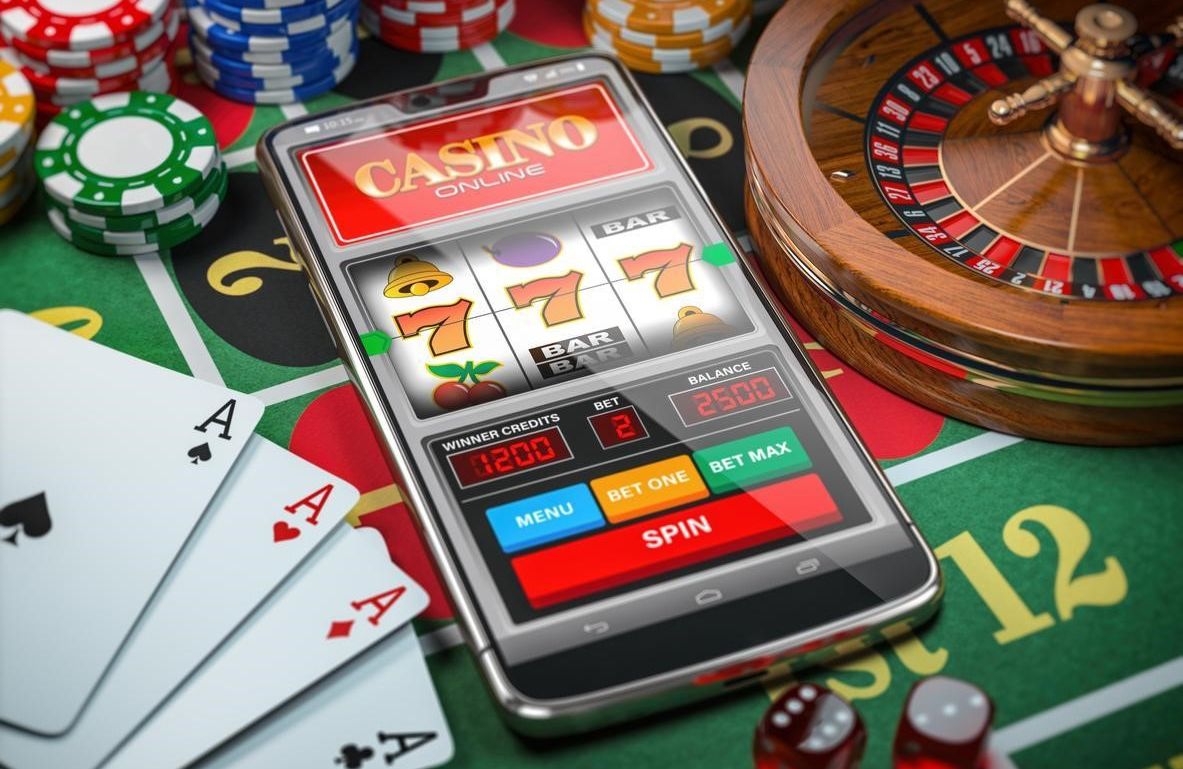
Advancements in technology have revolutionized the gambling landscape, making it more accessible and appealing. Online gambling platforms and mobile applications have introduced new forms of gambling that can be played anywhere and at any time. This convenience can amplify the risk of developing problematic gambling habits, as individuals may find it harder to resist the temptation when it is just a click away.
Moreover, technology often employs sophisticated algorithms that keep players engaged through incentives such as bonuses and rewards. These features can create a sense of urgency and excitement, which further entices individuals to gamble more frequently. The psychological impact of this technology-driven gambling environment is significant and can lead to an increased prevalence of gambling disorders.
Psychological Effects on Mental Health
The psychological ramifications of gambling can be profound, leading to various mental health issues. Individuals may experience anxiety, depression, and feelings of hopelessness as they grapple with the consequences of their gambling behavior. The stress of financial loss, strained relationships, and social isolation can exacerbate these mental health challenges.
Additionally, the stigma surrounding gambling addiction often prevents individuals from seeking help. Many people feel ashamed or embarrassed about their gambling habits, which can lead to further withdrawal and a decline in overall mental well-being. Recognizing the interconnectedness of gambling and mental health is vital for developing effective treatment strategies.
Pathways to Recovery and Support Systems
Recovering from gambling addiction requires a multifaceted approach that addresses both the psychological and behavioral aspects of the disorder. Therapy, such as cognitive-behavioral therapy, can help individuals identify harmful thought patterns and develop healthier coping mechanisms. Support groups can also play a critical role, providing a community for individuals to share their experiences and gain encouragement from others who understand their struggles.
Additionally, education about gambling addiction can empower individuals to make informed decisions and recognize warning signs early on. It is essential for friends and family members to understand the psychological toll of gambling, as their support can significantly impact the recovery process.
Prioritizing User Safety and Mental Health Awareness
As the landscape of gambling evolves, so does the importance of ensuring user safety and promoting mental health awareness. Many platforms are now committed to creating a secure environment that prioritizes user well-being. This includes providing information about responsible gambling practices and resources for those who may be struggling with addiction.
By fostering a culture of awareness and support, we can help mitigate the psychological toll that gambling can take on individuals. It is vital for both users and providers to work together in addressing the complexities of gambling and its effects on mental health, ensuring a safer and more understanding environment for everyone involved.